Why Traffic Rules Matter for Drivers, Cyclists, and Walkers

Why Traffic Rules Matter for Drivers, Cyclists, and Walkers

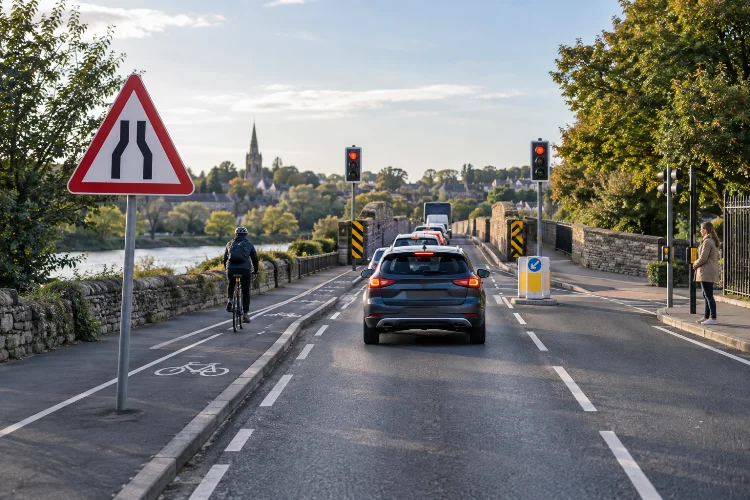
Imagine a busy intersection where every driver chooses their own speed, cyclists ignore signals, and pedestrians cross whenever they feel like it. Even if everyone is paying attention, predicting what happens next would be almost impossible. That is the basic reason traffic rules exist. Understanding why traffic rules matter for drivers, cyclists, and walkers is … Read more

Why Police Cadet Training Combines Learning and Service

Why Police Cadet Training Combines Learning and Service

You can learn a lot about policing in a classroom. Cadets can study laws, communication techniques, ethics, report writing, public safety, and the procedures officers are expected to follow. But knowing what a textbook says is very different from standing in front of a real person who is confused, upset, frightened, or asking for help. … Read more

How Police Cadet Programmes Prepare Responsible Leaders

How Police Cadet Programmes Prepare Responsible Leaders

Becoming a police officer involves much more than learning how to patrol streets, investigate crimes, or respond to emergencies. Officers are trusted with significant authority, which means they must also learn how to make difficult decisions, communicate calmly, follow ethical standards, and take responsibility for their actions. That preparation often begins long before a new … Read more

Why Communities Need Fair and Accountable Policing

Why Communities Need Fair and Accountable Policing

Imagine calling the police during an emergency but hesitating because you are unsure whether you will be treated fairly. Or imagine witnessing a crime but deciding not to report what you saw because you do not trust the authorities. Those situations reveal something important: policing does not depend on authority alone. It also depends on … Read more

How Police Services Support Safety and Public Order

How Police Services Support Safety and Public Order

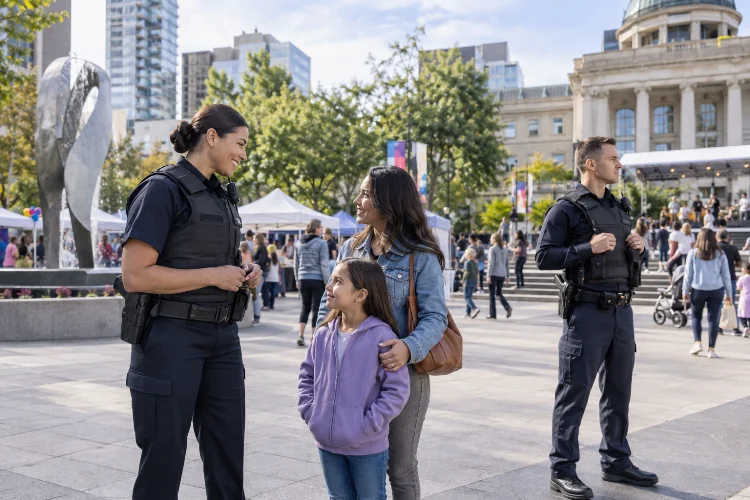
When people think about police services, the first image that often comes to mind is an officer responding to a crime. While responding to criminal activity is certainly an important part of policing, the job is much broader than making arrests. Police services help communities function safely every day. Officers may respond to emergencies, investigate … Read more

What Forensic Science Contributes to Modern Investigations

What Forensic Science Contributes to Modern Investigations

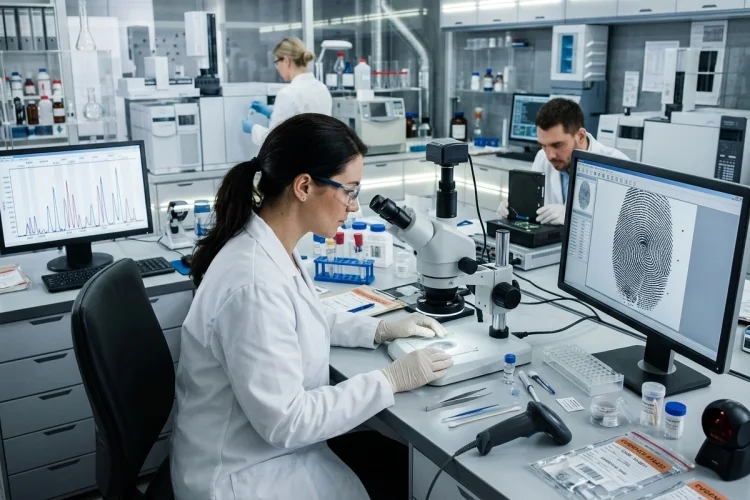
Crime shows often make forensic science look almost magical: a tiny clue enters a laboratory, a computer flashes for a few seconds, and suddenly investigators know exactly who committed the crime. Real forensic work is much more careful-and much more interesting. Understanding what forensic science contributes to modern investigations starts with recognising its real purpose. … Read more

How to Write Clear and Accurate Police-Style Reports

How to Write Clear and Accurate Police-Style Reports

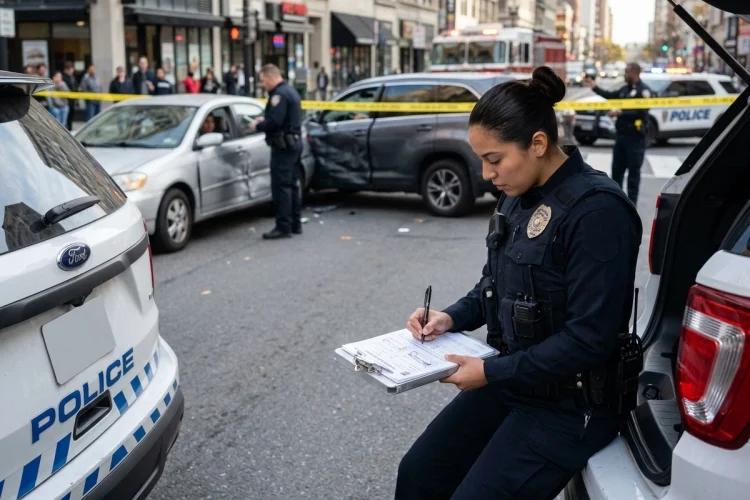
A police-style report may look simple on the surface, but writing a good one requires more than listing what happened. The writer needs to transform observations, statements, actions, and evidence into a record that another person can understand without being at the scene. Learning how to write clear and accurate police-style reports is especially useful … Read more

How Ethical Interviews Gather Clear and Reliable Information

How Ethical Interviews Gather Clear and Reliable Information

A good investigative interview is not about forcing someone to say what the interviewer expects to hear. Its real purpose is much simpler: gather as much accurate and useful information as possible while treating the interviewee fairly. That is why understanding how ethical interviews gather clear and reliable information matters in modern policing. Victims, witnesses, … Read more

What Counts as Evidence in a Basic Police Investigation

What Counts as Evidence in a Basic Police Investigation

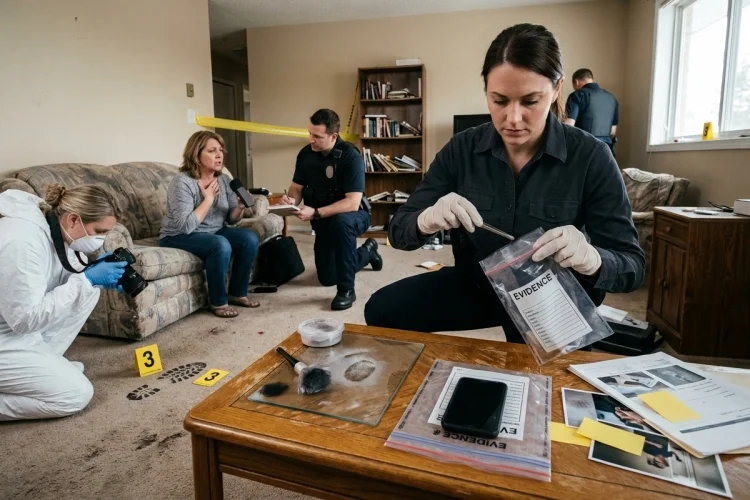
When people hear the word “evidence,” they often imagine fingerprints, DNA, or a suspicious object sealed inside a plastic evidence bag. In reality, investigators may work with many different kinds of information, including witness statements, photographs, documents, video recordings, digital data, and physical material collected from a scene. Understanding what counts as evidence in a … Read more